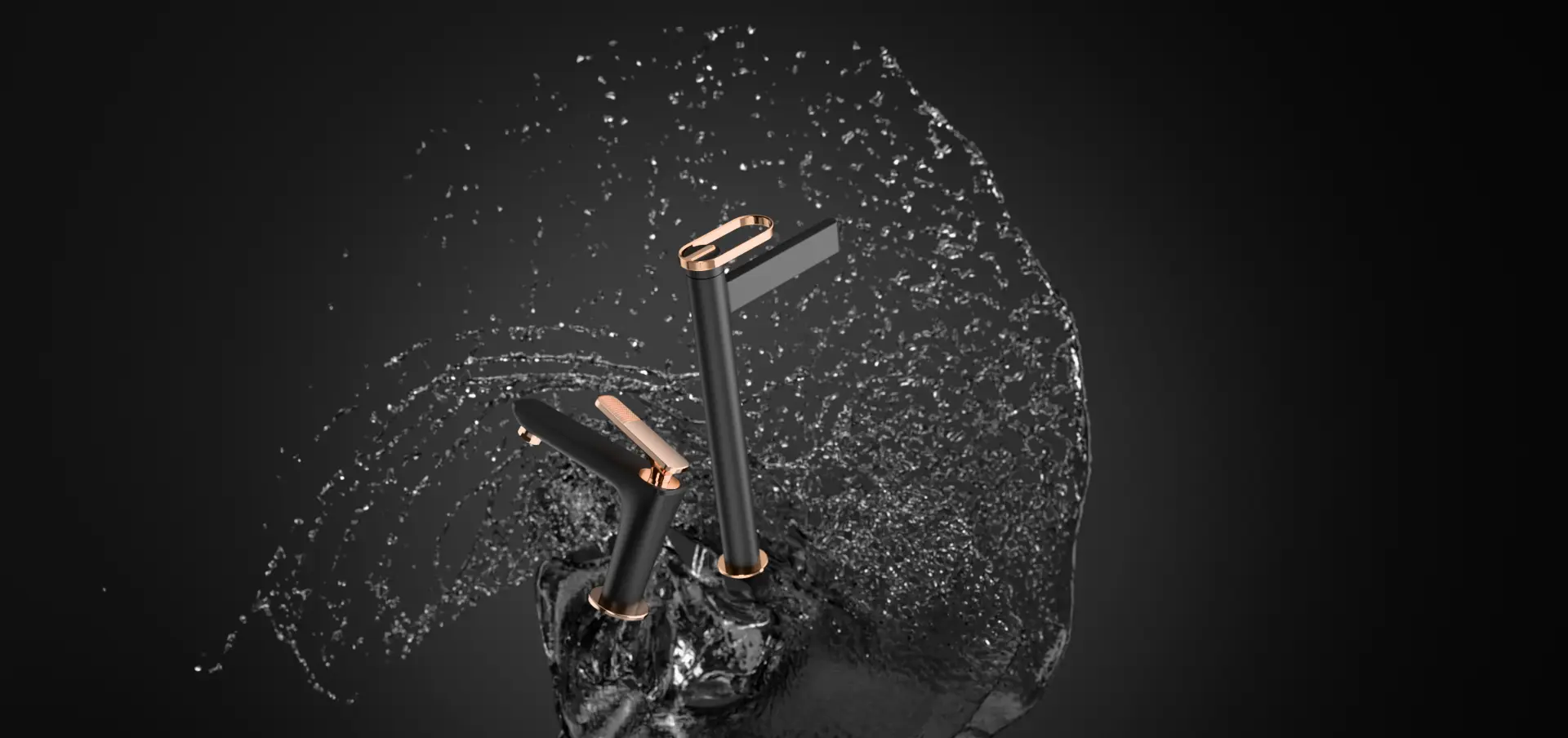
In 2026, PVD Coated Bathroom Faucets are moving beyond hotel showrooms and luxury homes. Global buyers now expect stronger finishes, easier maintenance, and consistent color across large projects. A brushed gold faucet may look elegant in a catalog. In a busy hotel bathroom, however, fingerprints, cleaning chemicals, and repeated handling reveal its real quality.
Fortune Business Insights estimates that the global faucets market will continue expanding through 2032, supported by renovation, hospitality construction, and premium residential demand. Grand View Research also identifies physical vapor deposition as a growing finishing technology, especially where durability and decorative performance matter. These reports indicate opportunity, but they do not guarantee product quality. Finish thickness, substrate preparation, salt-spray testing, and supplier process control still deserve close inspection.
Dr. Donald M. Mattox, a recognized PVD technology authority, described PVD as “a coating process in which a solid material is vaporized in a vacuum environment.” That technical detail matters. The coating is not simply painted onto brass or stainless steel. It is deposited under controlled vacuum conditions, often producing a harder and more stable surface.
Still, PVD is not magic. Poor polishing can remain visible beneath the coating. Low-grade cartridges can fail before the finish does. Some suppliers also provide impressive photographs but limited test records. This guide evaluates the best PVD Coated Bathroom Faucets for global buyers through material quality, finish consistency, water-use performance, certification readiness, warranty support, and factory experience. The strongest choice is rarely the cheapest one. It is the faucet that performs reliably after installation, cleaning, and years of daily use.

What Are PVD-Coated Bathroom Faucets?
PVD-coated bathroom faucets use Physical Vapor Deposition to create a thin, dense surface layer over the faucet’s base metal. In a vacuum chamber, selected metals or ceramic compounds become vapor and bond to the prepared surface. The result is a finish with controlled color, strong adhesion, and improved resistance to scratches, corrosion, and daily handling. PVD is a coating process, not a solid faucet material.
A reliable faucet begins before coating. The brass or stainless-steel body must be properly polished, cleaned, and inspected. Small surface defects can remain visible beneath the finish. During product checks, I look closely around the spout, handle joints, and aerator area, where water marks often collect. A well-applied coating should feel even, without pinholes, cloudy patches, or sharp color changes. It should also operate smoothly after installation.
PVD is durable, but not indestructible. Hard water, abrasive powder, and aggressive chemicals can damage the appearance over time. A soft cloth and mild soap are safer for routine cleaning. The coating’s service life also depends on water quality, installation accuracy, and the quality of the underlying metal. This part is sometimes overlooked. A premium-looking surface cannot correct poor machining or weak internal cartridges. Global buyers should request coating specifications, salt-spray or wear-test data, and clear care instructions before comparing bathroom faucet suppliers.
2026 Best PVD Coated Bathroom Faucets for Global Buyers - What Are PVD-Coated Bathroom Faucets?
PVD-coated bathroom faucets use Physical Vapor Deposition to apply a thin decorative and protective metal-based coating in a vacuum chamber. The coating is deposited onto a prepared faucet surface, helping create consistent colors and improved resistance to everyday wear. Actual performance depends on the base material, surface preparation, coating system, coating quality, installation, water chemistry, and cleaning practices.
PVD Finish Comparison for Bathroom Faucets
| Finish appearance |
Common coating family |
Typical visual effect |
Best suited for |
Maintenance considerations |
| Brushed gold |
Gold-tone nitride-based PVD systems |
Warm metallic color with a directional satin texture |
Residential bathrooms, hospitality interiors, and premium renovation projects |
Wipe with a soft cloth; avoid abrasive powders, steel wool, and acidic cleaners |
| Polished gold |
Gold-tone nitride-based PVD systems |
Reflective, high-gloss metallic appearance |
Decorative bathrooms where a strong visual accent is required |
Dry after use to reduce water spots and mineral deposits |
| Brushed nickel |
Nickel- or chromium-based PVD systems |
Soft silver tone with a low-reflection brushed texture |
High-use residential and commercial bathrooms |
Clean with mild soap and water; wipe along the brushed grain |
| Matte black |
Dark chromium- or carbon-based PVD systems |
Low-gloss dark finish with a contemporary appearance |
Modern residential interiors and commercial design projects |
Use a non-abrasive cloth; avoid waxes or cleaners that leave a glossy residue |
| Polished chrome |
Chromium-based PVD systems or conventional chrome plating, depending on specification |
Bright, reflective silver appearance |
General-purpose bathrooms and projects requiring a widely accepted finish |
Confirm whether the product is PVD or plated; remove limescale with a cleaner approved for the finish |
| Champagne or brushed bronze |
Zirconium- or titanium-based decorative PVD systems |
Muted warm metallic tone with a satin or brushed effect |
Interior projects seeking a warmer alternative to silver finishes |
Request a physical color sample because appearance can vary by lighting and batch |
Global Buyer Specification Checklist
| Evaluation dimension |
Recommended specification to verify |
Why it matters |
Buyer verification method |
| Faucet body material |
Confirm whether the body is brass, stainless steel, or another specified substrate |
The substrate affects strength, corrosion behavior, weight, and coating adhesion |
Request a material declaration and product technical drawing |
| Coating process |
The quotation should clearly state PVD, not only “metallic finish” or “color coating” |
Different processes have different resistance to wear, chemicals, and corrosion |
Request the process description, inspection standard, and coating test records |
| Water flow rate |
Specify the required regional limit, such as 5.7 L/min at 414 kPa for a 1.5 gpm equivalent, where applicable |
Flow requirements differ by country, fixture type, and water-efficiency regulations |
Check the flow-rate test report and aerator specification |
| Waterway compliance |
Verify standards relevant to the destination market, such as NSF/ANSI/CAN 61, ASME A112.18.1/CSA B125.1, EN 817, EN 1111, or ISO 3822 |
Compliance requirements cover areas such as materials, mechanical performance, leakage, and noise |
Ask for certificates issued for the exact model and configuration |
| Cartridge and valve |
Confirm cartridge type, replacement availability, operating pressure range, and temperature limits |
The cartridge controls water flow and temperature and is a serviceable wear component |
Request exploded drawings, spare-part codes, and pressure test results |
| Surface durability |
Request documented abrasion, adhesion, corrosion, and chemical-resistance test methods and results |
There is no single universal PVD durability value for every faucet or finish |
Compare test conditions with the intended market and cleaning chemicals |
| Installation compatibility |
Verify mounting-hole size, deck thickness, connection size, hose type, and included accessories |
Regional plumbing connections and basin configurations are not always interchangeable |
Match the technical drawing with the destination-market installation standard |
| Packaging and logistics |
Use protective wrapping, individual compartments, moisture control, and export cartons suitable for transport |
PVD surfaces can be scratched by contact with metal parts or abrasive packaging during shipment |
Approve a packaging sample and conduct pre-shipment inspection |
| Color consistency |
Define an approved color sample, gloss level, brushing direction, and acceptable batch tolerance |
Lighting, substrate preparation, coating parameters, and production batches can affect appearance |
Use a signed master sample for production approval |
| Cleaning guidance |
Use a soft cloth, mild soap, and clean water; avoid abrasive, strongly acidic, or strongly alkaline products unless approved |
Improper cleaning can damage the finish even when the coating is properly applied |
Include finish-specific care instructions with every shipment |
Selection note: The best PVD-coated bathroom faucet for a global buyer is the model that matches the destination market’s plumbing standards, flow requirements, water-contact regulations, installation format, color expectations, and documented surface-performance tests.
Key Features of the Best PVD Bathroom Faucets in 2026
For global buyers, the best PVD bathroom faucet begins with coating integrity, not appearance. PVD, or physical vapor deposition, bonds a thin decorative layer to prepared metal. In factory inspections, I examine the handle edges, spout base, and hidden joints first. These areas often reveal weak surface preparation. Look closely. A smooth finish should show consistent color, without cloudy patches or sharp transitions.
Reliable faucets also need a ceramic cartridge, stable water flow, and carefully controlled temperature. A cartridge should operate smoothly after repeated opening and closing. The aerator should reduce splashing while maintaining practical pressure. For different markets, check inlet sizes, thread standards, and installation space before ordering. Lead-free material declarations, quality-control records, and corrosion testing add useful evidence. Supplier claims alone are not enough.
PVD resists scratches and daily cleaning better than many traditional finishes, but it is not magic. Harsh chemicals, abrasive pads, and hard-water deposits can still damage the surface. I still consider color consistency a weak point, especially when buyers order large quantities. A showroom sample may look perfect, while later batches vary slightly. Request production samples, coating test results, cartridge-cycle data, and clear warranty terms. Small details matter. A dependable supplier should explain both strengths and limitations without hiding technical gaps.
How Global Buyers Should Compare PVD Faucet Suppliers
2026 Best PVD Coated Bathroom Faucets for Global Buyers
How Global Buyers Should Compare PVD Faucet Suppliers
PVD demand is expanding beyond decoration. Grand View Research valued the global PVD coating market at about USD 13.3 billion in 2022, with continued growth expected through 2030. This growth attracts capable factories and weak imitators. Buyers should compare coating thickness, base metal, polishing quality, and production records, not only catalog photographs. Ask for batch samples, coating-process details, and independent test results. A shiny sample proves very little.
Request salt-spray testing under ISO 9227 and adhesion testing under ISO 2409. Confirm water-flow performance against the destination market’s requirements, such as EN 817 or ASME A112.18.1. For drinking-water applications, review applicable material-safety certifications, including NSF/ANSI/CAN 61 where required. Coating consistency matters at the handle edge, spout curve, and drain area. These places often reveal rushed preparation.
Supplier reliability also needs evidence. Review factory audit reports, incoming-material controls, corrective-action records, and warranty-return data. A supplier claiming “lifetime durability” should show measurable test conditions. I would not accept vague promises. A 2024 Deloitte manufacturing survey found that supply-chain visibility remains a major operational challenge, so request lot numbers and inspection records before shipment. Price still matters, but the cheapest quotation may hide thinner coating, unstable brass composition, or poor final inspection. I have seen attractive samples fail after installation. That possibility deserves more attention.
2026 Best PVD-Coated Bathroom Faucets for Global Buyers
How global buyers should compare PVD faucet suppliers
This illustrative 100-point buyer scorecard prioritizes corrosion-test evidence, coating-process control, plumbing compliance, warranty traceability, delivery capability, and total cost. Buyers should verify supplier claims through documents and independent testing, including relevant ISO 9227 or ASTM B117 corrosion-test reports.
Installation, Maintenance, and International Buying Considerations
PVD-coated bathroom faucets need careful installation, not just attractive packaging. The installer should flush supply lines before fitting the cartridge. Small grit can damage ceramic seals within weeks. Use two adjustable wrenches and protect the finish with a cloth. Do not overtighten the mounting nut. It may distort the basin or stress the valve body. WaterSense data from the U.S. Environmental Protection Agency shows that certified bathroom faucets use no more than 1.5 gallons per minute, reducing flow by up to 30% compared with standard models. Global buyers should confirm flow rates in litres per minute, too.
Maintenance is simple, but not careless. Wipe PVD surfaces with warm water and a soft cloth after use. Avoid chlorine, abrasive powders, steel wool, and acidic descalers. These products can dull the coating or attack exposed edges. Remove aerators every few months and rinse sediment from the mesh. In hard-water regions, this step matters more. No finish is maintenance-proof. My own inspection checklist is useful, but it still misses hidden residue around the spout joint.
International purchasing requires more than checking colour and price. Verify thread standards, inlet dimensions, cartridge availability, warranty terms, and spare-part delivery. ASME A112.18.1/CSA B125.1 and EN 200 are common reference standards, but they are not interchangeable in every market. Request test evidence for coating adhesion and corrosion resistance, preferably linked to recognized ASTM or ISO methods. The World Bank’s 2023 report on global water stress also reinforces a practical point: efficient flow matters where supply is limited. Samples should be tested locally before large orders. That extra step feels slow. It prevents expensive surprises.
Conclusion
This guide explains what PVD Coated Bathroom Faucets are and why they are becoming a preferred choice for residential, hospitality, and commercial projects in 2026. The article explores how Physical Vapor Deposition creates a strong, consistent surface that improves resistance to scratches, corrosion, discoloration, and everyday wear while maintaining an attractive finish. It also highlights the key qualities global buyers should evaluate, including material selection, coating consistency, water efficiency, cartridge performance, design options, quality control, and production capacity.
In addition, the guide offers a practical framework for comparing international faucet suppliers based on technical specifications, customization support, certifications, packaging, communication, lead times, and after-sales service. It also covers essential installation and maintenance practices, such as using suitable tools, protecting the finish, cleaning with non-abrasive products, and checking compatibility with local plumbing systems. Together, these insights help buyers select durable, visually appealing, and dependable PVD bathroom faucets for different markets and project requirements.