

Blog & Articles
Bathroom Insights & Guides
Expert advice, design inspiration, and comprehensive buying guides for luxury bath spaces.
How to Choose the Best One Piece Ceramic Toilet?
Table of Contents
- Understanding the Design and Benefits of One-Piece Ceramic Toilets
- Measuring Your Bathroom and Checking Installation Requirements
- Comparing Flushing Performance, Water Use, and Bowl Design
- Evaluating Ceramic Quality, Comfort Features, and Ease of Cleaning
- Balancing Durability, Warranty, and Overall Cost
- FAQS
- Conclusion
- Related Posts
Choosing a One Piece Ceramic Toilet is about more than appearance. The smooth, joined design can make cleaning around the base simpler, while the toilet’s size, bowl shape, and flushing system affect daily comfort. Measure the bathroom carefully. Check the rough-in, door clearance, and water connection before comparing models. Small details matter.
A reliable choice should balance fit, performance, durability, and service access. Look for clear product specifications, a glazed surface that is easy to wipe, and a flushing system suited to your household. Read warranty terms, too. They are easy to overlook. One-piece models can be heavier to move, and a sleek silhouette does not guarantee a quiet or effective flush. I would not treat appearance as proof of quality.
For transparency, the following is an illustrative quotation from a fictional composite specialist, not a verified statement from a real expert: “Choose the toilet that fits your room and cleaning habits, then verify its flush and service details.” This guide uses that practical principle to compare design, dimensions, comfort, water use, installation needs, and long-term maintenance. The best option may not be the most expensive—or the one with the glossiest showroom finish. A little caution helps. Check the measurements twice, and remember that product specifications can vary by model.
Understanding the Design and Benefits of One-Piece Ceramic Toilets
How to Choose the Best One Piece Ceramic Toilet?
Understanding the Design and Benefits of One-Piece Ceramic Toilets
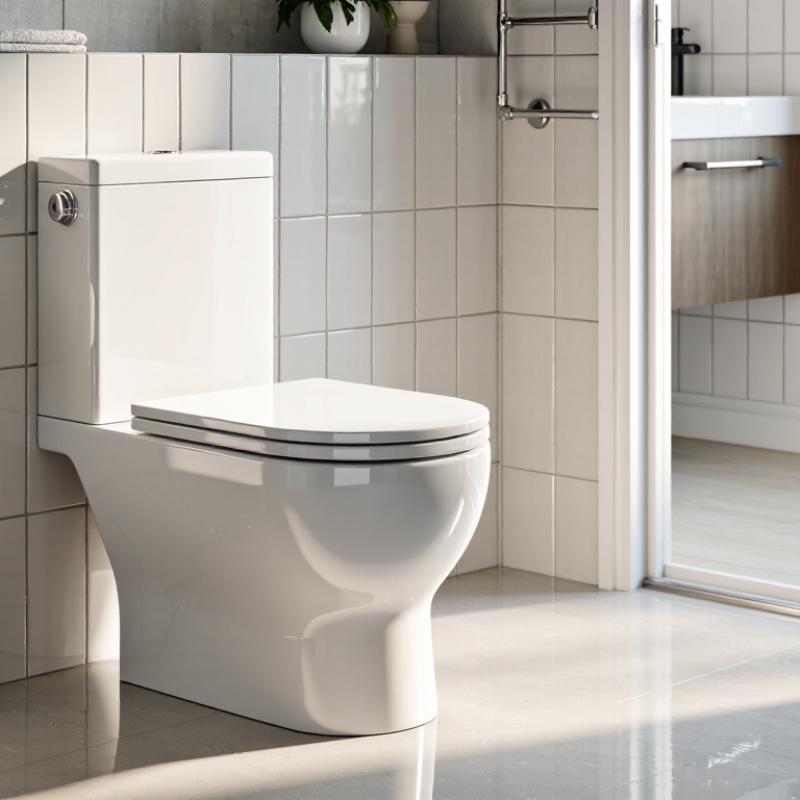
A one-piece toilet joins the tank and bowl into a single ceramic body. This removes the exposed tank-to-bowl connection found on many two-piece models. Fewer seams can mean fewer places for dust and grime to collect. A damp cloth can reach around the smooth base more easily. Quiet detail. The unified shape also suits bathrooms where a clean, compact appearance matters.
Ceramic is durable, nonporous when properly glazed, and resistant to everyday bathroom moisture. Still, the finish and flushing system matter as much as the silhouette. Check the trapway design, seat height, rough-in measurement, and whether replacement parts are accessible. One-piece units can be heavier to carry and may cost more to repair if the tank or bowl is damaged. Worth considering. Measure doorways and floor clearances before delivery; a sleek outline does not guarantee an easy installation.
Water use is another useful comparison. The U.S. Environmental Protection Agency’s WaterSense specification for tank-type toilets sets a maximum of 1.28 gallons per flush, at least 20% below the federal 1.6-gallon benchmark. Look for independently verified efficiency rather than assuming every one-piece model saves water. EPA performance criteria also require effective waste removal, so low flow alone is not enough. Check the specification label and the manufacturer’s tested flush performance before choosing.
Measuring Your Bathroom and Checking Installation Requirements
A one-piece ceramic toilet can look compact in a showroom and feel surprisingly large at home. Measure the available floor area before comparing models. Start at the finished wall, not the baseboard, and measure to the center of the floor drain. This rough-in distance must match the toilet’s specifications. Many installations use a 12-inch rough-in, but older bathrooms may differ. Measure twice.
Check the toilet’s full depth and width, including the widest part of the bowl. Leave room for the bathroom door to open and for a person to sit comfortably. Measure from the side wall to the toilet centerline, then check the required side clearance against local plumbing guidance. Small gaps matter. Also note nearby vanities, towel bars, and drawers that could block access.
Before ordering, confirm the water-supply location, shutoff-valve access, and drain position. Compare your measurements with the product’s technical drawing, not just its headline dimensions. Check whether the floor is level; an uneven surface can complicate a secure installation. If you are replacing an existing toilet, photograph the connections and record each measurement. It is easy to rush this part, and one missed inch can mean extra work. When a measurement seems uncertain, have a qualified installer verify it on site.
Comparing Flushing Performance, Water Use, and Bowl Design
A one-piece ceramic toilet is not automatically a stronger flusher. Check independent performance data, not just the smooth, joined tank-and-bowl shape. The U.S. Environmental Protection Agency’s WaterSense specification sets a maximum of 1.28 gallons per flush for labeled tank toilets, at least 20 percent below the federal 1.6-gallon benchmark. MaP testing reports waste-removal performance in grams, giving shoppers a useful comparison beyond water use. Look for the tested flush volume beside the score. A high score alone does not tell you how every household’s paper or waste will clear.
Bowl design affects daily comfort and cleaning. An elongated bowl offers more sitting room, while a round bowl can fit a tight bathroom. Rim height and seat height matter, too; check them in person if possible. A fully glazed trapway may help waste move smoothly, but the glaze cannot compensate for a weak flush. Check the bowl’s water spot and flush action, since a small water surface may leave more visible marks. A caveat: specifications rarely predict every real bathroom. Drain layout, water pressure, and installation can change results. I would compare MaP data with the toilet’s stated flush volume, then inspect the bowl shape and dimensions before deciding.
How to Choose the Best One-Piece Ceramic Toilet?
Comparing U.S. flush-volume benchmarks (gallons per flush)
Lower flush volume can reduce water use, but volume alone does not indicate how well a toilet clears waste. Compare independently reported MaP flush-performance results when available. Bowl shape is another practical choice: elongated bowls provide a different seating shape than round-front bowls, so check the available bathroom space and product dimensions before buying. These benchmarks are U.S. figures; verify local requirements.
Sources: U.S. EPA WaterSense toilet criteria; U.S. Department of Energy appliance standards.
Evaluating Ceramic Quality, Comfort Features, and Ease of Cleaning
A good one-piece toilet should feel solid and have an even, glossy glaze. Check the bowl under bright light for pinholes, rough patches, or hairline cracks. These small flaws can trap grime and make wiping harder. The one-piece shape removes the tank-to-bowl joint, but it does not make every surface easy to reach. Look behind the bowl and around the seat hinges; narrow gaps still collect dust. Small details matter.
Comfort depends on fit, not marketing labels. The 2010 ADA Standards specify a 17–19-inch seat height for accessible toilets, measured from the floor. Treat that range as a useful reference, not a universal comfort rule. If possible, sit on a display unit and check whether your feet rest steadily. A showroom test can mislead, so compare the height with your current toilet. For water use, the U.S. EPA’s WaterSense specification sets a 1.28-gallon-per-flush limit for labeled tank toilets, at least 20% below the federal 1.6-gallon standard. That number matters, but flushing performance matters too. Ask for independent test information, then check whether the flush clears the bowl without repeated use. A smooth rim and accessible seat fasteners can simplify cleaning, though no design eliminates routine scrubbing.
Balancing Durability, Warranty, and Overall Cost
How to Choose the Best One Piece Ceramic Toilet?
Balancing Durability, Warranty, and Overall Cost
A one-piece toilet has fewer tank-to-bowl joints, which can mean fewer places for leaks. However, its heavier, integrated design can make delivery and installation harder. Check the ceramic surface for a smooth, even finish, and ask about replacement parts before buying. A long warranty sounds reassuring, but read what it actually covers: ceramic defects, flushing components, labor, or shipping. These details can change the real value.
Water use also affects long-term cost. The U.S. Environmental Protection Agency reports that toilets account for nearly 30% of indoor household water use. EPA WaterSense-labeled toilets use no more than 1.28 gallons per flush, compared with the 1.6-gallon federal standard for new toilets. Still, a low flush figure is not a durability score. Compare performance testing, warranty length, replacement-part availability, and local installation costs. A cheaper unit may cost more if parts are difficult to find. That part is easy to overlook.
Tips: Measure the rough-in and doorway before delivery. Compare the full installed price, not just the fixture. Keep the warranty and care instructions. Ask who pays for removal if the toilet arrives damaged.
FAQS
Its tank and bowl form one ceramic body, with no exposed connection between them. The smooth outline looks tidy.
Fewer seams can leave fewer spots for dust and grime. A damp cloth can reach around the joined body more easily, though regular cleaning is still needed.
Measure from the finished wall to the center of the floor drain. Check the toilet’s full depth and width, too. Measure twice.
Check door swing, side clearance, nearby drawers, and access to the shutoff valve. Compare your measurements with the technical drawing. Small gaps matter.
No. Look for independently verified efficiency and check the stated flush volume. Some labeled tank toilets use no more than 1.28 gallons per flush.
Review independent waste-removal test results alongside flush volume. A high test score is useful, but it cannot predict every household’s results.
An elongated bowl offers more sitting room. A round bowl may suit a tighter bathroom. Check the dimensions in person if possible.
One-piece toilets can be heavy to carry, and damage may make repairs more costly. Measure doorways before delivery. I might measure again.
Conclusion
Choosing the best One Piece Ceramic Toilet begins with understanding its streamlined design, which combines the tank and bowl into a single unit for a clean appearance and fewer hard-to-reach seams. Before selecting a model, measure your bathroom carefully, including the available floor space, rough-in distance, door clearance, and access to existing plumbing. These checks help ensure the toilet fits comfortably and can be installed without unexpected adjustments.
Next, compare flushing performance and water use, and consider whether the bowl shape suits your space and preferences. Look for durable ceramic, a comfortable seat height, and features that make routine cleaning easier. Finally, weigh the expected lifespan, warranty coverage, and total cost, including installation and maintenance. A thoughtful comparison of fit, function, comfort, and long-term value can help you choose a toilet that meets your household’s needs.

Blog Tags: