

Blog & Articles

Bathroom Insights & Guides

Expert advice, design inspiration, and comprehensive buying guides for luxury bath spaces.

0%

What Is a Handheld Shower Set and How Does It Work? The answer begins with a simple idea: flexible water control. A Handheld Shower Set usually includes a detachable spray head, wall bracket, flexible hose, and mixing valve. The user can hold the spray head or leave it mounted. This makes rinsing hair, cleaning the shower floor, and assisting children or older adults more practical.

Water efficiency matters, too. The U.S. Environmental Protection Agency’s WaterSense program states that labeled showerheads use no more than 2.0 gallons per minute, compared with the federal 2.5-gallon standard. EPA estimates that an average family could save 2,700 gallons of water yearly with efficient showerheads. That saving is real, but household habits still influence the result. Longer showers can erase part of it.

Veronica Blette, an EPA WaterSense branch chief, has explained, “WaterSense labeled showerheads use no more than 2.0 gallons per minute.” Her comment highlights an important distinction between a handheld design and an efficient one. A flexible hose does not automatically reduce consumption. No magic fixture exists. Performance depends on spray technology, water pressure, installation quality, and maintenance. Mineral buildup can narrow the nozzle openings, creating uneven streams and wasted minutes. Industry product testing also examines flow rate, spray coverage, durability, and connection reliability. These details matter when comparing brass fittings, stainless-steel hoses, pressure-compensating valves, and multiple spray modes. The best choice is not always the most expensive model. It is the set that balances comfort, control, accessibility, and measured water use.
What Is a Handheld Shower Set and How Does It Work?

Definition and Main Components of a Handheld Shower Set

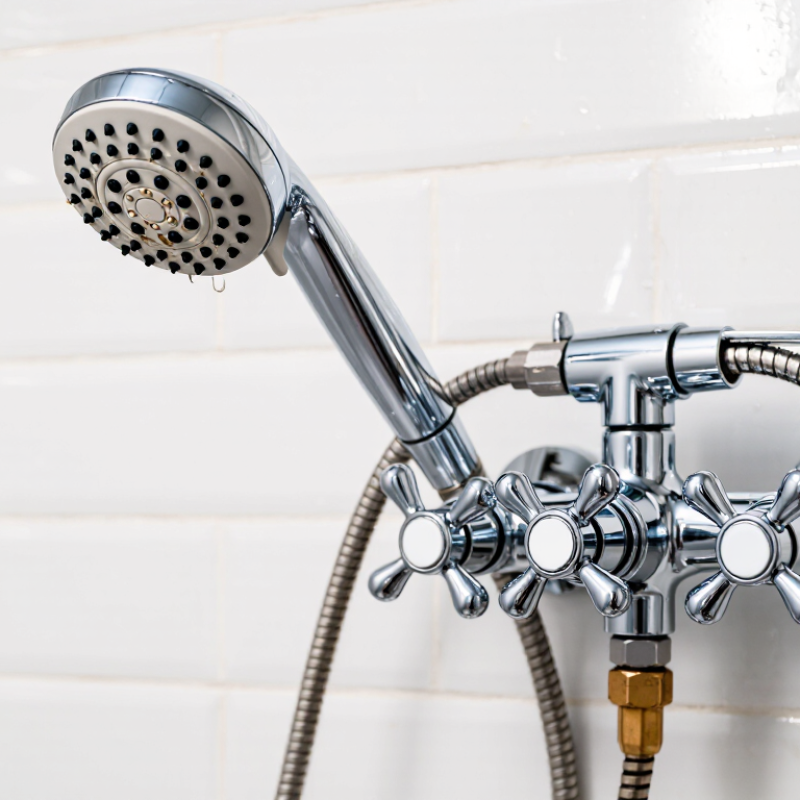
A handheld shower set is a showering system with a removable spray head connected to a wall fitting by a flexible hose. Unlike a fixed showerhead, it can be lifted from its holder. This helps users rinse hair, wash children, or clean difficult areas. The main components include the handheld spray head, hose, wall bracket, water inlet, diverter, and flow-control parts. Some sets also include a slide bar for height adjustment.

The spray head contains a small internal passage and a perforated spray plate. When the valve opens, water travels through the hose and exits through these openings. A diverter can direct water between the handheld head and another outlet. The hose must remain flexible but secure. Poor connections may cause leaks, even when the shower looks well installed. That detail is easy to overlook.

The U.S. Environmental Protection Agency’s WaterSense showerhead guidance states that showering uses nearly 17% of indoor residential water. Its product criteria also limit efficient showerheads to 2.0 gallons per minute, compared with the federal maximum of 2.5 gallons per minute. These figures show why flow rate matters, but efficiency does not guarantee comfort. Actual performance depends on household pressure, pipe condition, and spray design. In practical installation work, users sometimes choose a low-flow set and later complain about weak spray. The problem may be pressure, not the showerhead itself. A reliable selection checks flow data, connection size, hose length, and the strength of the wall support.

How Water Flows Through the Shower System

Handheld shower sets make bathing more flexible. A typical system contains a showerhead, flexible hose, wall holder, and control valve. Some models also include a diverter for switching between outlets.

Water begins at the building’s supply pipe. Opening the valve allows cold and hot water to enter the mixing cartridge. The cartridge balances both streams before sending water toward the outlet. A diverter then directs that water through the hose or a fixed shower arm. Inside the handheld head, a small screen catches debris. Narrow spray openings spread the water across the skin. Pressure pushes the stream forward, but it does not create water. Low supply pressure, a blocked screen, or a sharply bent hose can weaken the spray. The hose is not just a passage. Its inner diameter affects resistance and flow comfort.

During installation, I check each connection by hand before tightening it with a suitable tool. I also run water briefly and watch the joints, because a dry test can miss a slow leak. Washers need even seating. Over-tightening may damage them. Exact flow depends on pipe size, pressure, temperature, and the head’s restrictor. This explanation is useful, but not perfect; real systems behave differently. A clear hose route and clean inlet screen usually make the water path easier to understand and maintain.

What Is a Handheld Shower Set and How Does It Work? - How Water Flows Through the Shower System

System Component Position in the Water Path Function Typical Technical Detail Effect on Shower Performance
Household Water Supply Starting point Provides pressurized cold and hot water to the bathroom plumbing. Water pressure varies by building, plumbing layout, elevation, and whether a pump is used. Higher available pressure generally produces stronger spray, but the shower flow regulator still limits flow.
Hot and Cold Supply Pipes Before the shower valve Carry separate hot and cold water streams to the control valve. The pipe size and condition influence pressure loss and available flow. Restricted, partially closed, or clogged supply lines can reduce flow.
Shower Valve Main control point Starts and stops the water flow and controls the mixture of hot and cold water. Common designs include pressure-balancing and thermostatic valves. A pressure-balancing valve helps reduce sudden temperature changes when supply pressure shifts.
Temperature Control Integrated with or next to the valve Allows the user to select a comfortable shower temperature. Thermostatic controls maintain a selected temperature more consistently than simple manual mixing controls. Correct adjustment improves comfort and helps reduce scalding risk.
Diverter Valve After the mixing valve, when multiple outlets are installed Directs water to the handheld shower, fixed showerhead, tub spout, or another outlet. Some diverters allow one outlet at a time; others can share flow between outlets. Using multiple outlets at once can reduce the flow available at the handheld shower.
Wall Elbow or Outlet Connection Connection between wall plumbing and hose Provides the threaded connection for the handheld shower hose. Thread standards and sealing methods must be compatible with the plumbing connection. A poor seal may cause leaks, while debris at the connection can restrict flow.
Shower Hose Between the wall outlet and hand shower Carries mixed water to the handheld shower while allowing movement. Flexible metal or polymer hoses are commonly used; internal diameter and bends affect resistance. Kinks, crushed sections, or blocked inlet screens can noticeably reduce flow.
Flow Restrictor Usually inside the showerhead or hose connection Limits the maximum water flow to improve efficiency and meet applicable water-use requirements. Many efficient showerheads are rated at or below 2.5 gallons per minute, approximately 9.5 liters per minute. A partially clogged restrictor can cause weak flow; removing it may conflict with local requirements or product design.
Handheld Showerhead End of the water path Divides the water into multiple small streams and shapes the spray pattern. Spray settings may include full spray, massage, pause, or concentrated streams. The number, size, and design of spray nozzles affect coverage and perceived pressure.
Hand Shower Holder Mounted on the shower wall Supports the handheld shower when it is not being used by hand. Fixed holders provide one position; adjustable holders allow the spray angle or height to change. A secure holder improves usability and helps keep the hose from dragging or kinking.
Spray Nozzles On the face of the handheld showerhead Release and direct the final water streams toward the user. Flexible rubber nozzles can make surface mineral deposits easier to remove. Mineral buildup or blocked openings can create uneven spray patterns and lower output.
Water Flow Sequence: Water enters through the hot and cold supply pipes, passes through the shower valve for mixing and temperature control, travels through a diverter when installed, moves through the hose, passes through the flow-control components, and exits through the handheld showerhead nozzles.
Important factors affecting flow: household water pressure, pipe condition, valve settings, diverter position, hose kinks, clogged inlet screens, mineral buildup, and the showerhead flow regulator.

How to Install a Handheld Shower Set

What Is a Handheld Shower Set and How Does It Work?

A handheld shower set connects a flexible hose to a wall-mounted holder and shower outlet. Water flows through the hose when the valve opens. You can lift the spray head, aim it at your shoulders, or rinse the tub surface. Installation is usually manageable, but careful preparation prevents leaks and wall damage.

Turn off the shower valve before removing the existing shower head. Clean the exposed shower arm threads with a cloth. Wrap approved thread-sealing tape clockwise around the threads, keeping the first thread clear. Attach the diverter or hose connector by hand, then tighten it gently with a wrench and cloth. Over-tightening can crack fittings. Secure the holder at a comfortable height, preferably where every user can reach it. Use suitable anchors if the wall lacks solid backing. Connect the hose, checking that its washers sit flat. Restore the water slowly and inspect every joint.

Tips: Keep the hose hanging naturally. Sharp bends can restrict water flow. Test the holder before drilling. I once placed one too low, and the spray head struck the floor. That small mistake was avoidable. Check for drips after ten minutes, not only immediately. If the wall contains hidden plumbing or wiring, pause and verify its location before drilling. A qualified plumber should handle uncertain pipe connections or pressure problems. Some fittings look compatible but use different thread sizes. Measure rather than guessing.

How to Adjust Spray Modes and Water Direction

What Is a Handheld Shower Set and How Does It Work?

A handheld shower set connects a flexible hose to a wall bracket or slide bar. Its spray head usually offers several settings, including rainfall, massage, and concentrated streams. A selector ring or small lever changes the internal water channels. Rotate it slowly while the water runs. This helps you feel when each mode engages.

Adjusting water direction requires more than twisting the spray head. Move the bracket before changing the angle. Keep the handle about shoulder height for general rinsing. Lower it near the waist when washing children, pets, or muddy footwear. A slight downward angle reduces splashing on nearby walls. The concentrated setting works well for rinsing shampoo, but it may feel sharp on sensitive skin. I sometimes choose a softer mode first, because “stronger” does not always mean cleaner.

Water pressure affects every setting. The U.S. EPA WaterSense specification limits labeled showerheads to 2.0 gallons per minute, compared with the common 2.5-gallon standard. That difference can reduce flow without removing useful control. The U.S. Department of Energy also identifies showering as a major household hot-water use, so small adjustments can affect energy demand. Check the hose for kinks and clean the screen filter when spray patterns weaken. Do not force a clogged selector. I have found that a gentle soak works better, although cleaning intervals are easy to overlook.

How a Handheld Shower Set Adjusts Spray and Water Direction

A handheld shower set typically combines a spray selector, flexible hose, adjustable wall holder, and diverter. The spray selector changes the water pattern, while the holder and hose let users direct the flow to different areas.

Common Uses, Benefits, and Maintenance Needs

A handheld shower set combines a wall connection, flexible hose, holder, and detachable spray head. Water travels through the hose after the control valve opens. Users can direct the spray toward their shoulders, feet, or a child’s bath area. This flexibility helps people with limited mobility, although a secure wall holder remains essential.

Common uses include rinsing shampoo, cleaning the shower floor, and washing pets. A focused spray can feel stronger than a fixed head, but pressure depends on the building’s plumbing. The U.S. Environmental Protection Agency’s WaterSense program reports that efficient showerheads can save an average household about 2,700 gallons of water yearly. The U.S. Department of Energy also identifies water heating as roughly 18% of residential energy use. Less flow may reduce heating demand. It may not feel luxurious at first.

Maintenance is simple but easy to neglect. Inspect the hose for cracks, kinks, and loose seals every few months. Mineral deposits can block spray openings, especially in hard-water regions. Remove the head and soak suitable parts in diluted white vinegar, following the manufacturer’s instructions. Do not force blocked nozzles with sharp tools. Clean the filter screen gently. The EPA recommends checking flow performance, because sediment can reduce efficiency and create uneven spray patterns. A small leak matters. One overlooked washer can waste water continuously. Replace worn gaskets promptly, and test the connection before regular use.

FAQS

What is a handheld shower set?

It includes a flexible hose, wall holder, connector, and removable spray head. Water travels through the hose after the valve opens. You can aim it at your shoulders, feet, or tub surface.

How do I install a handheld shower set safely?

Turn off the shower valve before removing the existing head. Clean the exposed threads with a cloth. Apply thread-sealing tape clockwise, leaving the first thread uncovered. Tighten fittings gently.

How can I prevent leaks during installation?

Check that every washer sits flat inside the hose connections. Restore water slowly after installation. Inspect each joint immediately, then check again after ten minutes. One loose washer can waste water continuously.

Where should I place the wall holder?

Choose a height that different users can reach comfortably. Shoulder height works for general showering. A lower position helps with children, pets, or muddy footwear. Test the handle position before drilling.

What should I do before drilling into the wall?

Check for hidden pipes and electrical wiring first. Use suitable anchors when solid wall backing is unavailable. Pause if the wall structure seems uncertain. A qualified plumber should inspect unclear connections.

How do I change spray modes and water direction?

Rotate the selector ring or lever slowly while water runs. Move the holder before adjusting the spray angle. A slight downward angle can reduce splashing. Stronger is not always cleaner.

Why does the spray pattern become weak or uneven?

Kinked hoses can restrict water flow. Mineral deposits may block the spray openings. Clean the filter screen gently and soak suitable parts in diluted white vinegar. Do not force clogged nozzles.

How do I maintain the hose and spray head?

Inspect the hose, seals, and connections every few months. Look for cracks, sharp bends, and loose gaskets. Replace worn seals promptly. Maintenance is easy to forget.

Can a handheld shower set reduce water and energy use?

Efficient models may use about 2.0 gallons per minute or less. Lower flow can reduce hot-water demand. An average household may save thousands of gallons yearly. Comfort may feel different at first.

What common installation mistake should I avoid?

Do not place the holder too low. The spray head could strike the floor when released. Avoid guessing thread sizes or overtightening fittings. Measure carefully, because small mistakes become annoying later.

Conclusion

A Handheld Shower Set is a flexible bathroom fixture designed to give users greater control over water flow and direction. It typically includes a handheld showerhead, a flexible hose, a wall bracket or holder, and connection fittings. Water travels from the bathroom supply pipe through the shower valve, enters the hose, and reaches the showerhead, where internal channels divide the flow into separate spray outlets. The valve controls temperature and overall volume, while the showerhead determines the spray pattern.

Installation generally involves attaching the hose to the water outlet and showerhead, securing the holder at a convenient height, and checking each connection for leaks. Many models offer adjustable spray modes, such as a concentrated stream or a softer spray, and the handle can be moved to target different areas. Common uses include bathing children, washing pets, cleaning the shower area, and improving accessibility. Regular maintenance includes wiping away mineral buildup, rinsing the spray outlets, checking seals, and replacing worn hoses or washers when necessary.

Avery

Avery

Avery is a seasoned marketing professional with a strong understanding of market strategy, customer needs, and effective business communication. As a key contributor to our company, Avery regularly researches industry developments, emerging opportunities, and practical solutions that can help......