


Blog & Articles

Bathroom Insights & Guides

Expert advice, design inspiration, and comprehensive buying guides for luxury bath spaces.

0%

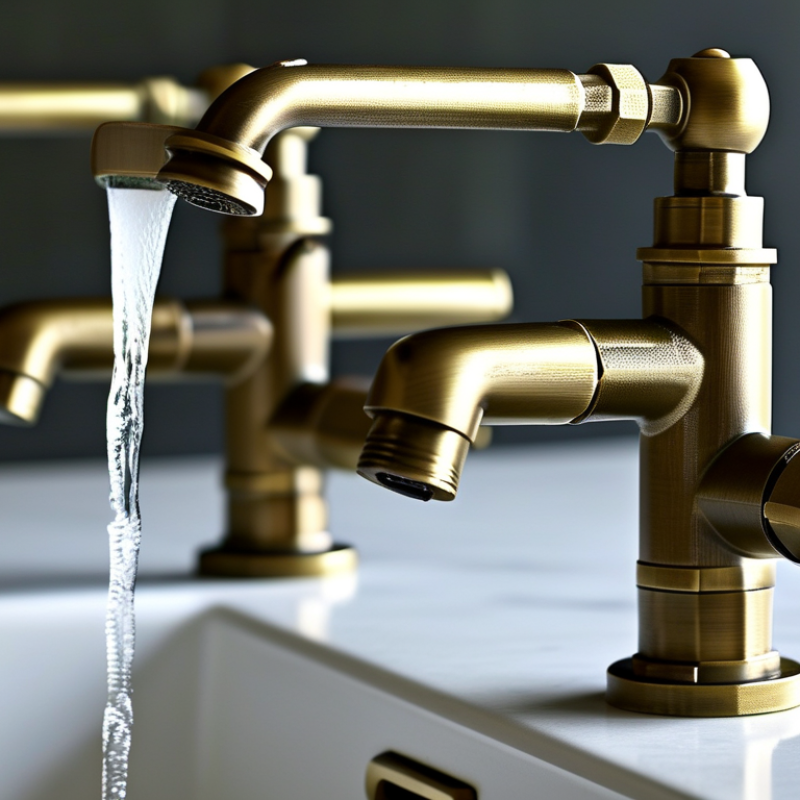
A Pillar Tap Faucet is a compact water outlet with one separate tap for each supply. One tap usually delivers hot water. The other delivers cold water. This arrangement remains common in bathrooms, utility rooms, and traditional kitchens.

Plumbing expert Richard Trethewey describes the basic principle simply: “A faucet is a valve that controls water flow.” That short explanation matters. Inside each Pillar Tap Faucet, a handle turns a spindle or cartridge. The mechanism presses against a washer, ceramic disc, or sealing surface. Water then stops, starts, or changes volume. The outlet may also include an aerator, which mixes air into the stream and reduces splashing.

Installation experience shows that small details affect performance. The basin holes must match the tap spacing. Flexible connectors need careful alignment. Excessive tightening can damage threads or seals. A loose connection may produce a slow leak beneath the basin. Not dramatic. Still expensive over time.

Older pillar taps often use replaceable rubber washers. Modern versions may use ceramic cartridges. Ceramic parts can feel smoother and last longer, but they are not immune to grit or poor water quality. That point deserves attention. “Maintenance-free” is rarely completely true.

This guide explains how a Pillar Tap Faucet works, how its parts interact, and what users should check before buying. The design looks simple. Its reliability depends on correct sizing, clean water passages, suitable pressure, and thoughtful installation.
What Is a Pillar Tap Faucet and How Does It Work?

Definition and Basic Structure of a Pillar Tap Faucet

A pillar tap faucet is an individual tap mounted through a basin or countertop. Each pillar usually controls one water supply, such as hot or cold water. Two separate pillars create a traditional two-hole installation, unlike a single-body mixer tap. Its basic structure includes a tap body, threaded inlet, valve cartridge or washer, spindle, handle, spout, aerator, and fixing nut. The fixing nut holds the tap beneath the basin, while rubber seals reduce leakage around the mounting hole.

When the handle turns, it moves the spindle or cartridge inside the valve. The valve opens, allowing pressurized water to enter through the inlet and leave through the spout. A ceramic cartridge often uses two finely aligned discs, while a compression valve presses a washer against a valve seat. Small parts matter. A worn washer can cause dripping, even when the metal body looks sound. Poor alignment may also create uneven flow.

The US Environmental Protection Agency reports that faucets represent more than 15% of average indoor household water use. Its bathroom-faucet specification limits flow to 1.5 gallons per minute, compared with the older 2.2-gallon-per-minute federal maximum. That difference can reduce waste during handwashing, although actual savings depend on user habits and water pressure. In field maintenance, aerators are often overlooked. Sediment can restrict flow, making a working valve seem defective. The structure is simple, but diagnosis is not always simple.

Key Components and Their Functions

A pillar tap faucet is a simple fixture with separate hot and cold taps. Each tap stands on its own mounting hole. In my repair experience, this layout makes faults easier to isolate, although it can look less tidy than a single-body mixer. The faucet body supports the internal parts, while the spout directs water into the basin. Its curved shape also helps reduce splashing.

The handle connects to a valve or cartridge beneath the cap. Turning the handle lifts or lowers an internal seal, controlling water flow. Traditional valves often use rubber washers. Modern cartridges use ceramic discs or similar moving surfaces.

The inlet tail connects the tap to the water supply. A threaded shank, nut, and rubber seal hold the fitting firmly against the basin.

Small parts matter. The aerator at the spout tip mixes air with water and creates a smoother stream. It can also collect grit, causing weak flow. I once blamed a worn valve for that problem. The blocked aerator was the real cause. Good installation keeps seals flat and avoids overtightening, which may distort them. Hot and cold connections should also match the household plumbing layout. Temperature control depends on both valves, not one central mixer. A slow drip usually points to a worn washer, damaged cartridge, loose seal, or debris inside the valve. Inspection is essential. Guessing wastes time.

How Water Flow Is Controlled Step by Step

What Is a Pillar Tap Faucet and How Does It Work?

A pillar tap is a single faucet fitted through a basin or countertop. It usually controls one water supply, either hot or cold. Inside, the handle connects to a valve spindle, washer, or ceramic cartridge.

Turn the handle counterclockwise. The valve begins to lift, creating a passage for water. Pressure in the pipe then pushes water through the inlet and out of the spout. Turn the handle clockwise, and the valve closes against its seat. Flow slows, then stops. Simple, but not always smooth.

Traditional models use a rubber washer that presses onto the valve seat. Modern versions may use ceramic discs with precisely aligned openings. The handle position changes the opening size, so it controls the flow rate. I have found that stiff movement often points to scale or worn internal parts. However, the exact cause needs checking rather than guessing.

Tips: Close the isolation valve before maintenance. Open the tap briefly to release trapped pressure. A slow drip may come from a worn washer, loose fitting, or damaged seat. Do not force the handle; it can damage the spindle. Wipe the aerator and check its small mesh screen. Water flow may improve immediately. Some taps feel different after cleaning, which can be misleading. Test them several times before replacing parts.

What Is a Pillar Tap Faucet and How Does It Work?

A pillar tap is a single water outlet controlled by a valve. Turning the handle changes the valve opening, allowing more or less water to pass through the inlet and spout.

How water flow is controlled: When the handle is closed, the valve seals the inlet and flow is zero. As the handle turns, the valve opens progressively, increasing the passage area and water flow. The values shown represent a typical household pillar tap supplied at approximately 3 bar of pressure; actual flow varies with pipe size, aerator design, pressure, and valve condition.

Common Types and Installation Arrangements

What Is a Pillar Tap Faucet and How Does It Work?

A pillar tap faucet has two separate taps, one for hot water and one for cold water. Each tap controls its own water supply through a valve, usually operated by a crosshead or lever handle. Water meets in the basin, not inside one shared spout. This arrangement gives clear temperature control, but users may need both hands to adjust it comfortably.

Common installation arrangements include two-hole deck mounting, close-coupled mounting, and wider twin-hole layouts. The basin must match the tap spacing. A practical installer also checks pipe centers, thread size, sealing washers, and access beneath the counter. Small errors can cause leaks. Wall-mounted pillar taps require stronger pipe support and accurate outlet positioning, especially above a shallow basin. The neatest layout is not always the easiest to repair.

Flow rate matters too. The U.S. Environmental Protection Agency’s WaterSense faucet specification limits qualifying bathroom faucets to 1.5 gallons per minute, compared with the older 2.2-gallon-per-minute standard. That represents roughly 30% lower flow. However, lower flow can feel weak if household pressure is poor or the aerator is blocked. A flow figure alone is not enough. Check pressure, basin depth, and user habits before choosing a model. Some installation decisions look minor. They are not.

Maintenance, Benefits, and Practical Limitations

A pillar tap faucet uses separate controls for hot and cold water, with each handle mounted on its own base. Turning the handle lifts an internal washer or cartridge, allowing water to pass through the spout. The design is simple and familiar. I have found it easier to diagnose than many single-lever faucets because each side can be tested independently.

Maintenance starts with small habits. Wipe the handles and spout after use to reduce mineral deposits. A quick wipe helps. Check the base for moisture, especially beneath the basin. A loose connection can slowly damage surrounding cabinetry. If a tap begins to drip, shut off the supply before removing the handle. Replace worn washers or cartridges with matching parts, and avoid excessive force during reassembly. I once overtightened a fitting and created a leak that was harder to fix than the original drip.

The main benefit is flexibility. Separate handles allow more precise temperature adjustment, which is useful when washing delicate items or filling a small basin. Many pillar taps also fit narrow installation spaces and suit traditional bathroom layouts.

Their limitations deserve equal attention. Using two handles takes both hands and may be inconvenient for children or people with limited mobility. Older washer-style models can require more frequent servicing. Water may also run longer while the temperature is adjusted, increasing waste. In hard-water areas, hidden deposits can restrict flow even when the exterior looks clean.

FAQS

What is a pillar tap faucet?

It is a single tap fitted through a basin or countertop. Each tap usually controls hot or cold water separately. Two taps create a traditional two-hole setup.

How does a pillar tap control water flow?

Turning the handle moves a spindle, washer, or ceramic cartridge. This opens a passage for pressurized water. Turning it back closes the valve and stops the flow.

What are the main parts of a pillar tap?

Common parts include the body, handle, spindle, valve, inlet, spout, aerator, seals, and fixing nut. The fixing nut holds the tap beneath the basin. Rubber seals help prevent leaks.

Why is the water flow weak?

A blocked aerator is a common cause. Grit can collect inside its small mesh screen. Remove it, clean it, and test the tap again.Small parts matter.

Why does a pillar tap drip after closing?

A worn washer, damaged cartridge, loose seal, or damaged valve seat may cause dripping. The metal body can look perfect while an internal washer fails. Inspection is better than guessing.

What is the difference between a washer valve and a ceramic cartridge?

A washer valve presses rubber against a valve seat. A ceramic cartridge uses aligned discs with small openings. Ceramic parts may feel smoother, but scale can still affect movement.

How should someone prepare before maintaining the tap?

Close the isolation valve before removing parts. Open the tap briefly to release trapped pressure. Do not force a stiff handle, because the spindle may break.

How can installation problems create leaks?

Seals should remain flat beneath the tap. Overtightening can distort them and create leakage. The fixing nut should hold the fitting firmly without crushing the seal.

Why can hot and cold water connections feel confusing?

Each pillar usually serves one water supply. The hot and cold connections must match the household plumbing layout. Temperature control depends on both separate taps, not one central control.

Conclusion

A Pillar Tap Faucet is a simple water outlet designed to stand independently on a basin, countertop, or similar surface. Its basic structure usually includes a spout, a valve mechanism, a handle or control knob, a mounting body, and connections for the water supply. The spout directs water into the sink, while the valve controls how much water passes through. Depending on the design, the faucet may use a compression, ceramic-disc, or cartridge mechanism.

Water flow begins when the handle is turned or lifted, opening the valve and allowing pressurized water to travel through the internal passage and out of the spout. Closing or lowering the control reduces the opening until the flow stops. Common arrangements include single-tap installations for one water supply or paired hot-and-cold setups. Regular cleaning, checking seals, and tightening connections can help prevent leaks and maintain performance. Its benefits include straightforward operation, compact sizing, and easy servicing, although limited temperature control and exposed plumbing may be practical disadvantages.

Maribel

Maribel

Maribel is a dedicated marketing professional with a deep understanding of the company’s products, customers, and industry landscape. With a strong ability to translate technical features into clear, practical value, she helps audiences make informed decisions and discover solutions that genuinely......